
The importance of the CAPNO system
In addition to diagnosis and treatment, there is an even higher demand for home monitoring and patient condition monitoring for asthma, one of the most common chronic respiratory diseases, and even COPD, a chronic lung disease that plays an increasing role in mortality statistics.
These diagnostic and patient condition monitoring tasks are supported by our CAPNO IT system (fully developed by us). With clinical measurement of the partial carbon dioxide pressure of the exhaled air and the evaluation with our IT application it accelerates and simplifies the diagnosis and the initiation of the patient’s treatment. With the help of the HOME CAPNO developed within the framework of the system, the change of the patient’s condition can be continuously monitored, carrying out any necessary medical interventions as soon as possible.
The device could also be used effectively in the detection and treatment of post-covid syndrome and other lung disease, like pneumonia.
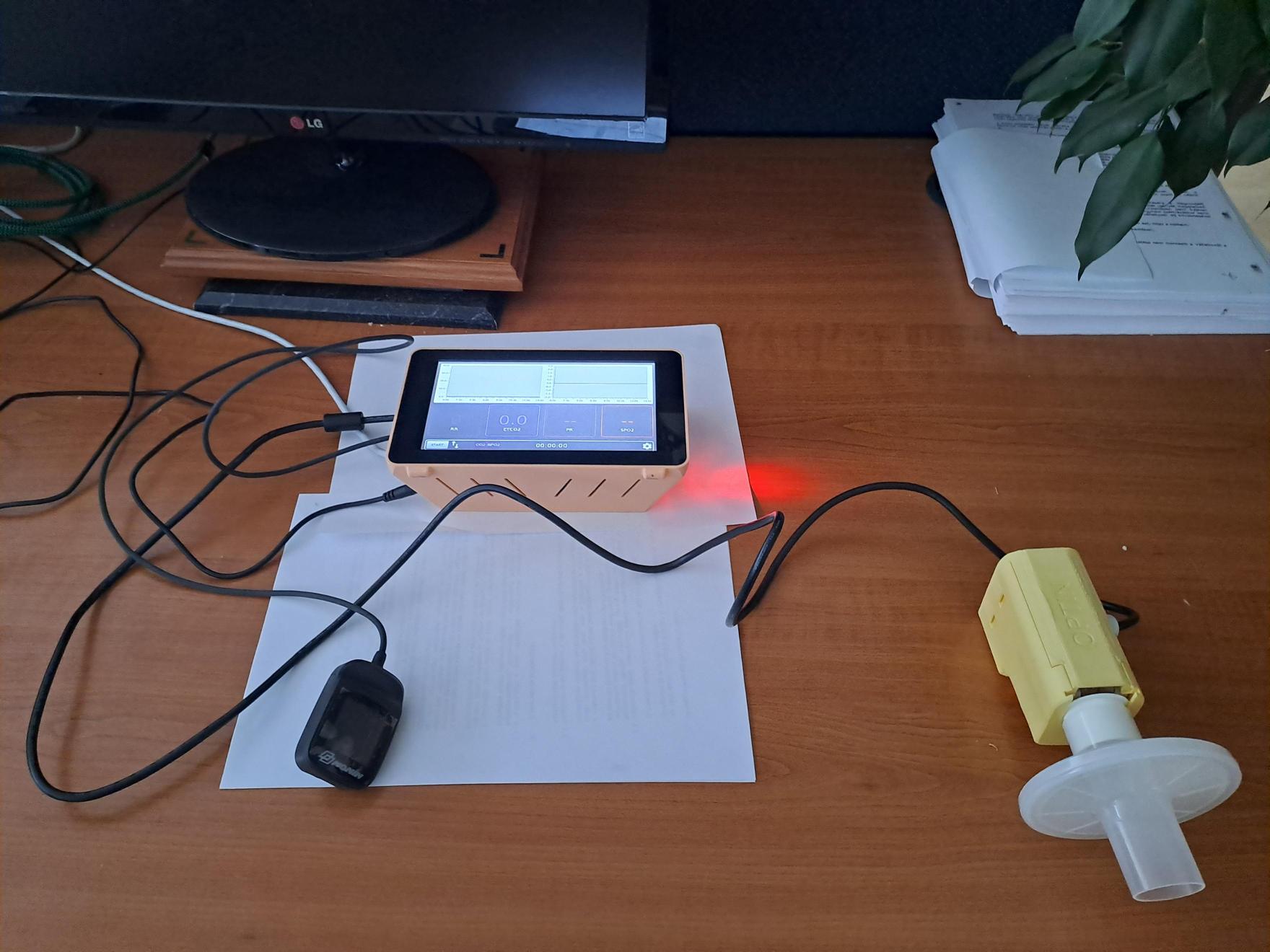
The Capnography
„Capnography is a continuous, non-invasive,… effortless, non-cooperative, numerical and graphical analysis of exhaled CO2. Today, capnography is an essential monitoring technique for patient safety in anaesthesia and critical care. It is recommended by the Hungarian Society of Anaesthesiology and Intensive Care and is mandatory in all care of mechanically ventilated patients. Capnographs can therefore be found in every operating theatre and intensive care unit in Hungary. It is also an important diagnostic tool, because of the information it carries on ventilation, perfusion and metabolic status. It is therefore used in emergency care, paediatrics, sleep laboratories, resuscitation, patient transport and, of course, in pulmonology.” (ÉLET ÉS TUDOMÁNY weekly newspaper 2014/26 from 809 – 811 pages)
Authors of the above article: TOLNAI JÓZSEF, PETÁK FERENC, BABIK BARNA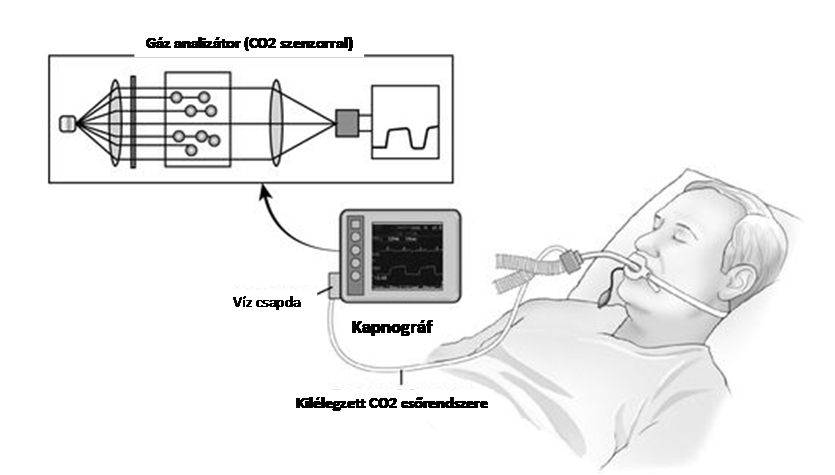
Pulmonology
Pulmonology is concerned with the complete investigation and treatment of diseases of the lower respiratory tract, the respiratory aspects of non-respiratory diseases and the care of chronic respiratory patients.